

Hip and Groin Physiotherapy
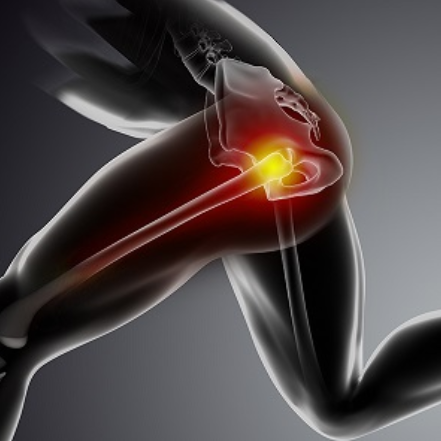
Hip and groin pain can affect everything from walking and climbing stairs to running, gym training and everyday activities. At Flow State Physiotherapy in Sligo, we provide specialist physiotherapy assessment and treatment to help you understand your pain, improve your mobility and return to the activities you enjoy.
Hip and groin pain can develop gradually through overuse or occur suddenly following an injury. Common causes include hip osteoarthritis, muscle strains, tendinopathy, hip impingement (FAI), labral injuries and sports-related groin pain. Pain may also be associated with back or pelvic problems.
Whether you are an athlete dealing with a groin injury, experiencing persistent hip pain or struggling with everyday movement, an individualised physiotherapy programme can help you work towards recovery.
At Flow State Physiotherapy, your treatment begins with a thorough assessment of your symptoms, movement, strength and functional limitations. This helps identify contributing factors and guide a treatment plan tailored to your needs and goals.
Your physiotherapy programme may include:
Strength and rehabilitation exercises to improve hip stability, muscle strength and movement control.
Mobility exercises to address restrictions affecting your hip and surrounding muscles.
Sports injury rehabilitation to help manage groin strains and support a safe return to running, football, rugby and other sports.
Education and activity modification to help manage symptoms and gradually rebuild your tolerance for everyday activities and exercise.
Post-operative rehabilitation following hip surgery, where appropriate.
Hip osteoarthritis
Hip labral tears
Femoro-Acetabular impingement
Groin/Adductor muscle strains/Adductor tendinopathy
Pubic symphysis dysfunction
Hip flexor issues
Quadricep tears
Hamstring tears and tendinopathies
Common Hip and Groin conditions:
Greater trochanteric pain syndrome/trochanteric bursitis
Snapping Hip
Osteitis Pubis
Gluteus tendon issues
ITB syndrome
Hip instability